





Flint advises international businesses and investors on policy, politics, regulation and competition.
Flint advises international businesses and investors on policy, politics, regulation and competition.
Quick links
Sectors
Follow Us


Several key themes form the backdrop to this intense diplomatic sequence. On Ukraine, the focus has shifted decisively back to the military track following the unsuccessful US attempt at negotiating a ceasefire.
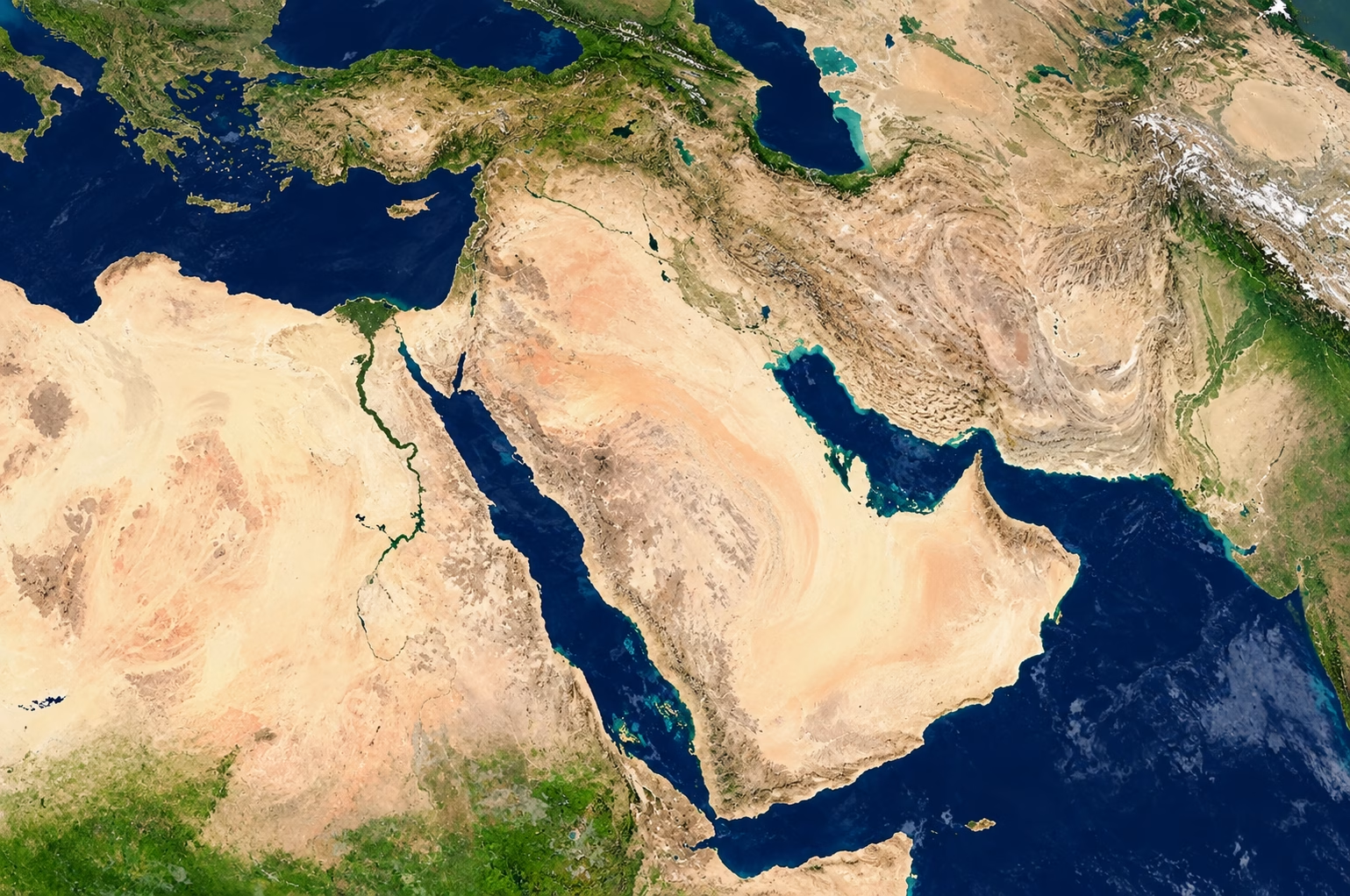
Tensions remain high in the Middle East. An Iran-Israel escalation is a major risk following Israel’s unprecedented strikes against Iran’s nuclear programme. The UK has been strongly criticised by the US for imposing sanctions on key members of Prime Minister Netanyahu’s cabinet, and several European countries are calling for similar measures in response to Israel’s actions in Gaza.
Political fragmentation continues to strain Western democracies. In Poland, a newly elected president is opposed to Donald Tusk’s pro-European agenda. Immigration remains a polarising issue: it triggered the collapse of the Dutch government earlier this month and is fuelling political discord in the US.
New Canadian Prime Minister Mark Carney will host a divided G7. There will inevitably be a focus on the dynamics between him and Trump. President Zelensky will attend and push for continued Ukraine support. This will be the first major global outing for German Chancellor Friedrich Merz, who will look to assert a more proactive European stance.
Unity will be strained by uncertainty over US foreign and trade policy. Behind the scenes, efforts are underway to ‘pre-cook’ outcomes and minimise the risk of disruption from President Trump.
European leaders will urge stronger sanctions on Russia, including adjustments to the oil price cap, but Trump is unlikely to make any commitment to additional pressure. Tensions over China will also feature prominently, with the US pressing allies to accelerate de-risking strategies. G7 countries might fail to agree on a joint communique.
For US allies, the summit is shaping up as a damage-limitation exercise – and a chance to engage Trump directly on trade ahead of the 9 July “reciprocal” tariff deadline.
Uncertainty over US commitment to European security and Ukraine – and indeed the alliance itself – will hang over the NATO summit. The duration of the summit will be kept to a minimum – just a few hours on 25 June – to minimise the risk of a public fall-out.
Trump could give further signals of US disengagement from European security. In a move aimed at keeping him on side, allies are expected to agree a new target of 5% of GDP for defence spending – split between 3.5% for traditional defence and 1.5% for cyber, intelligence, and military infrastructure. While the exact timeline remains unclear, the objective is to be able to announce €2 trillion in European defence spending over the next decade.
This commitment may buy Europe some time, but it will not reverse the longer-term trend of US disengagement which has been accelerated by Trump.
The meeting will be shaped by the outcomes of the NATO summit the day before. Discussions will centre on the Commission’s proposed €800 billion defence spending plan – marking a key moment for the first European summit of Chancellor Merz who has signalled a shift in Germany’s position on defence and debt.
Some Member States will push for joint borrowing to fund defence, but consensus will be difficult. Leaders will also seek to manage growing trade tensions with the US and protect European competitiveness, notably through regulatory simplification.
Early-stage discussions on the 2028–2034 EU budget will begin with competing demands for defence, the green transition, and economic resilience. This summit will also mark the end of the Polish presidency of the Council of the EU, with Denmark set to take over on 1 July.
Further BRICS expansion will be the main theme, with countries like Malaysia, Thailand, and Vietnam under consideration. The group will also continue developing alternative payment systems to facilitate intra-BRICS trade.
BRICS nations will reiterate calls for global governance reform, including UN Security Council enlargement – though meaningful progress remains unlikely in the current fractured geopolitical climate.
President Putin is not expected to attend due to Brazil’s obligations under the ICC. Despite the growing global reach of the BRICS, the members continue to have divergent priorities, which limit cohesion.
The pause on “Liberation Day” tariffs announced in February is set to expire on 9 July, potentially reintroducing "reciprocal" tariffs on a wide range of US trade partners. There have been mixed signals from Trump about whether this date may shift. Due to capacity constraints, the US is prioritising a small number of key countries, including the EU, Japan, and India. It is possible that countries do not reach deals by the deadline.
Recent US court rulings questioning the legal basis for the tariffs have introduced additional uncertainty and weakened Washington’s negotiating position. For international businesses, the risk of short-notice tariff changes remains high.
The summit, expected to follow an EU–Japan meeting in Tokyo, will centre on ongoing trade tensions. While political dialogue between the EU and China has improved modestly in recent weeks, deep-rooted concerns persist – particularly around China’s industrial overcapacity and non-market practices, especially in the electric vehicle sector. However, neither side has an interest in escalating trade tensions.
Within the EU itself, divisions remain over how to approach China. Nonetheless, the EU will continue to advance its de-risking agenda, focusing on critical sectors such as minerals, defence, pharmaceuticals, and the security of critical infrastructure, notably in the energy sector.
Diplomatic activity will remain intense into the second half of the year, with the UN General Assembly in September, and both COP30 (Brazil) and the G20 summit (South Africa) scheduled for November.
This blog was written by Director François-Joseph Schichan, Founding Partner Sir Simon Fraser and Specialist Partner Sir Julian King.