





Flint advises international businesses and investors on policy, politics, regulation and competition.
Flint advises international businesses and investors on policy, politics, regulation and competition.
Quick links
Sectors
Follow Us


In this look-ahead post, we provide a brief guide to COP28, the key issues and items of agenda headed into the event.
COP (“conference of the parties”) takes place every year and is the world’s only multilateral decision-making forum on climate change, attracting high-level global participation and interest. Each COP seeks to reach an agreement on a wide range of climate issues, signed off through the formal UN process and building on agreements made at previous summits.
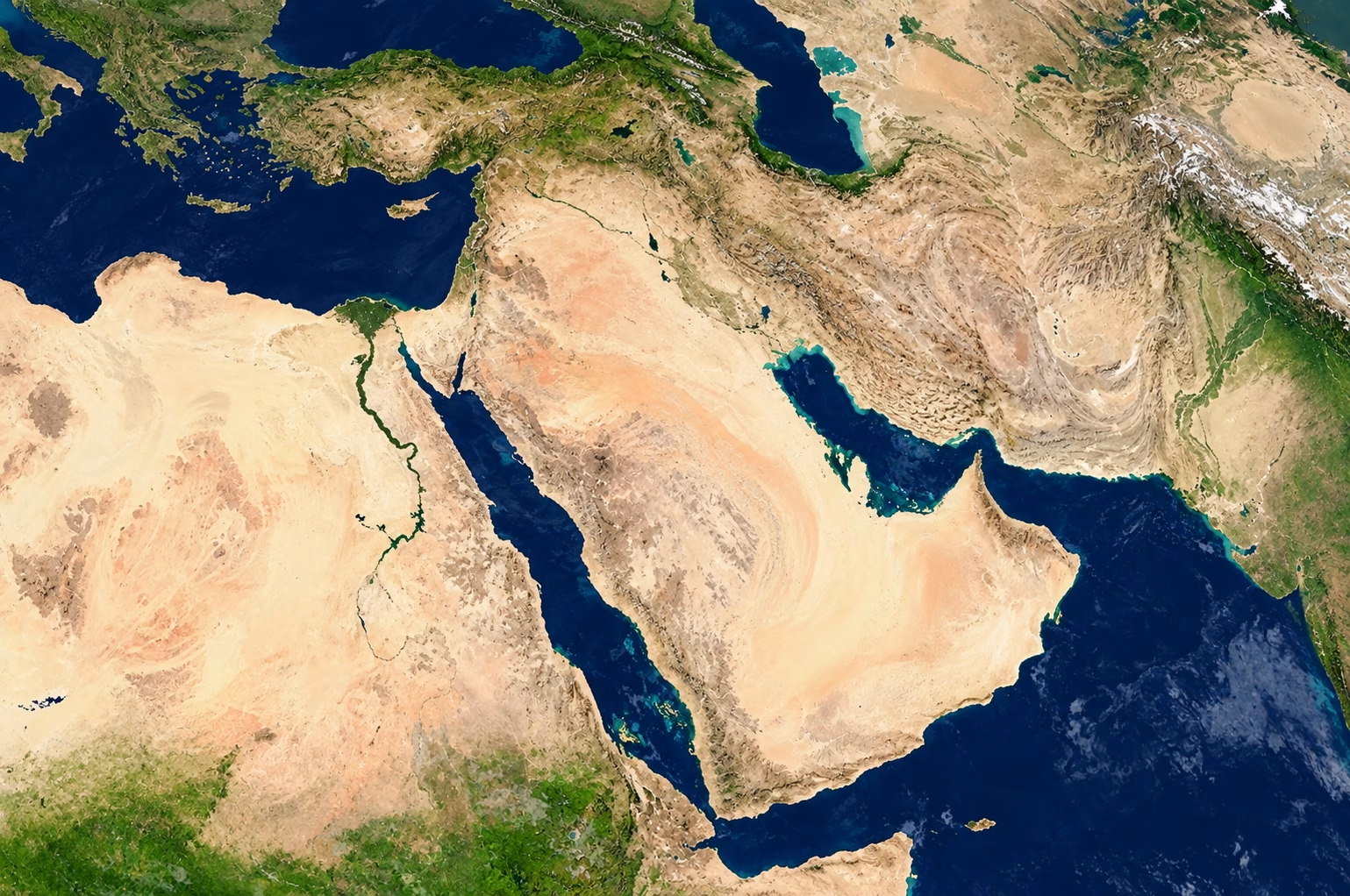
COP28 is the latest edition and marks a critical milestone for the 2015 Paris Agreement. It will include the first ‘Global Stocktake’, outlining how far off the world is from delivering the ambition to limit global warming to less than 1.5C. The UAE is hosting the summit in Dubai from 30 November to 12 December and Sultan Al Jaber (ADNOC CEO) was appointed COP President in January 2023.
COP28 is due to be attended by 167 world leaders. They include Indian Prime Minister Narendra Modi, UK Prime Minister Rishi Sunak, European Commission President Ursula von der Leyen and UN Secretary General António Guterres, in addition to the Pope and King Charles. However, US President Joe Biden and Chinese President Xi Jiping will not be attending.
The UAE Presidency’s agenda kicks off with a World Leaders Summit for two days, followed by a series of themed days including on finance, health and nature. As with any COP, there is a risk it runs over beyond the formal end date, especially if there are significant tensions on the final ‘Cover Decision’ that summarises the overarching agreement reached by all parties.
In the formal UN negotiations, the main focus will be on the Global Stocktake, examining collective progress towards meeting the Paris long-term temperature goal. Another goal is to establish a ‘loss and damage’ fund which aims to give money to countries that are dealing with serious and mostly irreversible impacts of climate change. There will also be a review of progress towards achieving the Global Goal of Adaptation, aiming to enhance adaptive capacity and reduce vulnerability to climate change. COP28 is also the final COP before a final agreement is due on a climate finance target beyond 2025.
Outside of the official negotiations, the COP Presidency is prioritising commitments on fast-tracking the energy transition, including a goal on tripling the deployment of renewables globally. Governments and companies will also be making announcements to show ambition. This includes the Global Decarbonisation Alliance – a voluntary pledge to curb emissions from the oil and gas industry and other hard-to-abate sectors – and alliances focused on curbing methane emissions and restricting private finance for coal plants.
The external environment has been challenging. Geopolitical tensions have been exacerbated by the Israel/Hamas conflict and US-China relations have thawed slightly after the Biden-Xi meeting earlier this month - but remain tense. The EU has tried to maintain its traditional leadership role but has been constrained by internal debate about the cost of the green transition and energy security. This is putting a strain on the strategic partnerships that are crucial to secure a good outcome. There is less external pressure on key players – such as India and Saudi Arabia – to fall into line.
Negotiators have made some small progress, such as the broad outline for how the loss and damage fund will operate. But there remain significant disagreements simmering under the surface on the finer details. Tensions on the mobilisation of climate finance could carry over into other areas, such as reducing willingness to take decisive action on reducing fossil fuel use.
There has been meaningful controversy sparked by the COP President’s role as the CEO of the oil and gas company ADNOC. The Presidency has since put together a strategy and made considerable efforts to deliver a solid result. However, there is new controversy over news that the UAE has been using meetings on the sidelines of COP to advance business interests in oil and gas. The Presidency still has support, but it will be more challenging to hold countries together against this backdrop.
The EU and US are traditionally leading voices aiming to ratchet up ambition, pushing on fossil-fuel language and global renewables target. China and India are very important players, aiming for an agreement that maintains maximum flexibility for national decision-making on the pathway to cut emissions and avoids anything binding on future fossil fuel use. Saudi Arabia and Russia will be looking to water down pledges on fossil-fuel phase-out. Additional blocs include the G77 who will push for more ambition on loss and damage, and LMDCs (Like Minded-Group of Developing Countries) who will call for more ambition on climate finance.
Despite challenges, the UAE is agile and will most likely avoid a collapse in negotiations, making gradual progress in key areas such as climate finance. Complete failure is very unlikely, though the 1.5C target will still feel some way off after this COP. Expectations have already been set that success will not rest on new national commitments given the lack of political appetite to increase ambition at this stage. Clouds will also hang over negotiations if there is further coverage of the UAE using COP to cut oil deals.
The UAE is likely to be applauded in some areas, but less so in others – for example, we do not expect the Cover Decision to contain strong overall language around fossil fuel ambition which will be a key metric of success. Ambition is likely to centre on a big commitment to tripling renewable capacity by 2030, doubling energy efficiency and securing industry commitments on issues such as methane. On finance, an agreement on an overall framework for the loss and damage fund will be important in addition to more positive language on climate finance, paving the way for more ambition at COP29.
There is likely to be a distinct lack of momentum coming out of COP28. Eyes will therefore quickly turn to what needs to come next. The host of COP29 has yet to be confirmed as Russia has threatened to block any Eastern European country as host. It may fall to Australia.
Questions are likely to grow on the role and long-term value of the COP process in driving global climate action and shifting the dial. This may exacerbate domestic challenges that many countries are facing on the green agenda, though this energy transformation agenda will continue to be essential in the long term.
This blog was authored by Josh Buckland, a Partner who leads Flint’s work on energy, sustainability and environmental issues, François-Joseph Schichan who is a Flint Director and a former diplomat and policy adviser, and Zoe Alipranti, a Manager who advises corporate and investor clients on managing political and regulatory risks on climate, sustainability and ESG issues across a range of sectors.
To find out more about how Flint can help you navigate the COP28 developments, get in touch.