





Flint advises international businesses and investors on policy, politics, regulation and competition.
Flint advises international businesses and investors on policy, politics, regulation and competition.
Quick links
Sectors
Follow Us


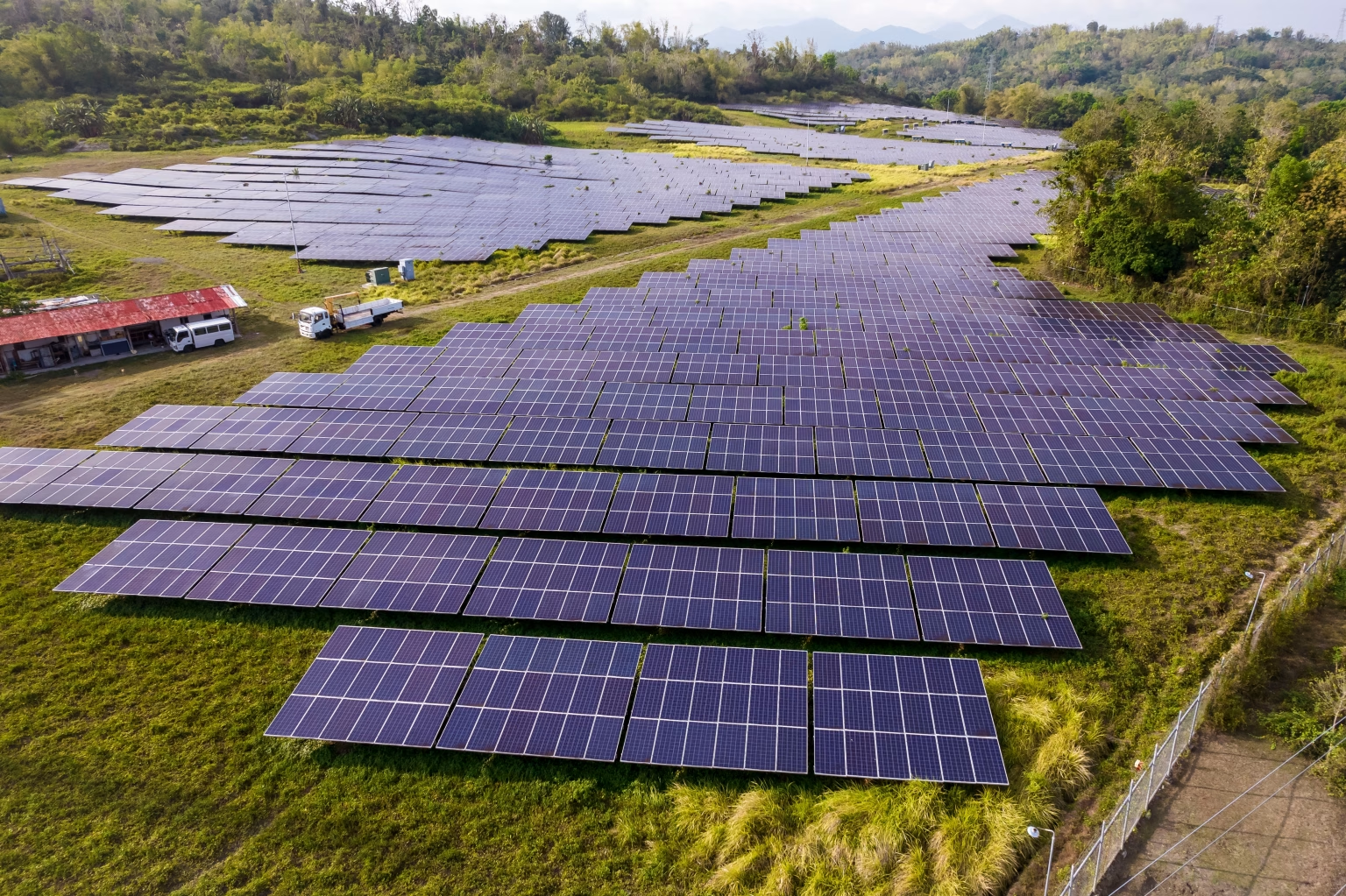
The closure of the Strait of Hormuz prompted emergency fossil fuel measures across Southeast Asia. Renewables expansion has continued in parallel as governments desperately seek to fill the gap. But this “all of the above” approach is not delivering the pace of decarbonisation required. Demand is surging, and grids, storage and market rules are not where they need to be for clean power to effectively displace fossil generation. This is partly a challenge of complex delivery – governments are trying to re-engineer the power system while keeping the lights on – but it is also a challenge of finance. Allocating risk where it can most effectively be managed through efficient contract and market design will unlock the capital that is ready to deploy in the region.
The closure of the Strait of Hormuz sent shockwaves through Southeast Asia, as the Middle East supplies 84% of crude oil and 83% of its LNG imports. In response, the Philippines declared a national emergency, Thailand restarted two coal plants, and Malaysia deferred its planned carbon tax.
Yet this was not a retreat from renewables. The response has been “all of the above”: Indonesia’s 2025-2034 power plan adds 16.6 GW of new coal and gas capacity, but the government has also pledged a 100 GW solar programme planning to install 100GW of solar capacity by 2029.The IEA projects regional renewable capacity will nearly triple within a decade.
Renewables are being layered on top of fossil baseload rather than replacing it, for two reasons.
The first is electricity demand, which the IEA reports is growing twice as fast as total energy use, absorbing new renewable supply. Data centres are the sharpest example: Indonesian capacity is set to more than double by 2030 and Thailand’s recent 2026 Power Sector Development Plan included 8,800MW of capacity, up from 216MW today. The pace of renewables deployment will have to accelerate to both meet rising demand and displace fossil fuels.
The second is integration. The intermittency of renewables means that clean power is challenging to absorb into systems built around fossil baseload. Three barriers stand out:
This is not to say the region has stood still. Vietnam increased its solar and wind capacity from virtually zero to more than 21GW between 2018 and 2023 and now targets 73 GW of solar by 2030. In Indonesia, renewables rose from 15.75% of the national energy mix in 2025 to 18.3% in the first quarter of 2026. The Philippines now draws over 20% of its energy from low-carbon sources and remains on track for a 35% renewable share in power generation by 2030.
The core question is whether governments are addressing these integration challenges fast enough for renewables to start displacing fossil fuels, not just adding to supply. So far, the answer is only partly; renewables are still being layered on top of baseload fossil fuels to meet soaring demand.
The decarbonisation gap is less a result of scarce capital than of poorly allocated risk. Allocating each risk where it can best be managed drives confidence and bankability, while turning investor caution into investment.
Electricity network returns are long-dated and diffuse with the benefits accruing to the whole system. Blended finance has been slow to mobilise, but sharper structures can work. Special purpose vehicles with limited-recourse financing and long-term contracts can keep transmission off the utility balance sheet. First-loss guarantees can also be effective in mitigating curtailment risk arising from the mismatch between generation and transmission capacity additions.
On system integration, regulatory ambiguity around battery energy storage systems (BESS) muddles ownership, charges and licensing, which dissuades investors from engaging. In much of Southeast Asia, BESS can be treated as both generation and load, which according to the IEA and ACE, can result in double taxation or duplicate network charges, creating revenue uncertainty and raising the cost of capital for storage investors.
Businesses should push regulators to classify BESS as a distinct asset, remove double charging, and give storage access to ancillary services and reserve markets. In the Philippines, its reserve market for Green Energy Auction for integrated renewables and storage (GEA-4) offers an example for storage that offers a bankable revenue stream.
Accelerating the flow of private capital into clean power will require close collaboration between governments and the private sector to unpick regulatory barriers and allocate risk in the most efficient manner.
With experience at the highest levels of government across the world, the Flint Energy team has an unrivalled understanding of the policy, political and regulatory challenges facing renewables investors – and the insight to translate these into compelling solutions for government decision-makers. If you would like to learn more and understand how Flint could support through this process, please get in touch here.